LENS Neurofeedback: A Gentle, Innovative Approach for ADHD, Autism, Anxiety, and More
At Heights Family Counseling, we are always looking for thoughtful, effective ways to support the nervous system, especially for children, teens, and adults who feel stuck despite doing all the “right” things.
We are excited to share that we will soon be offering LENS Neurofeedback as part of our services.
This approach is gaining attention for its ability to support brain regulation in a way that is gentle, noninvasive, and often deeply calming.
What is LENS Neurofeedback?
LENS stands for Low Energy Neurofeedback System.
It is a form of neurofeedback that uses very small, targeted signals to help the brain shift out of stuck or dysregulated patterns.
Unlike traditional neurofeedback, which often requires active participation and longer training sessions, LENS is:
Passive
Brief
Low intensity
Designed to gently “nudge” the brain toward more flexible functioning
During a session:
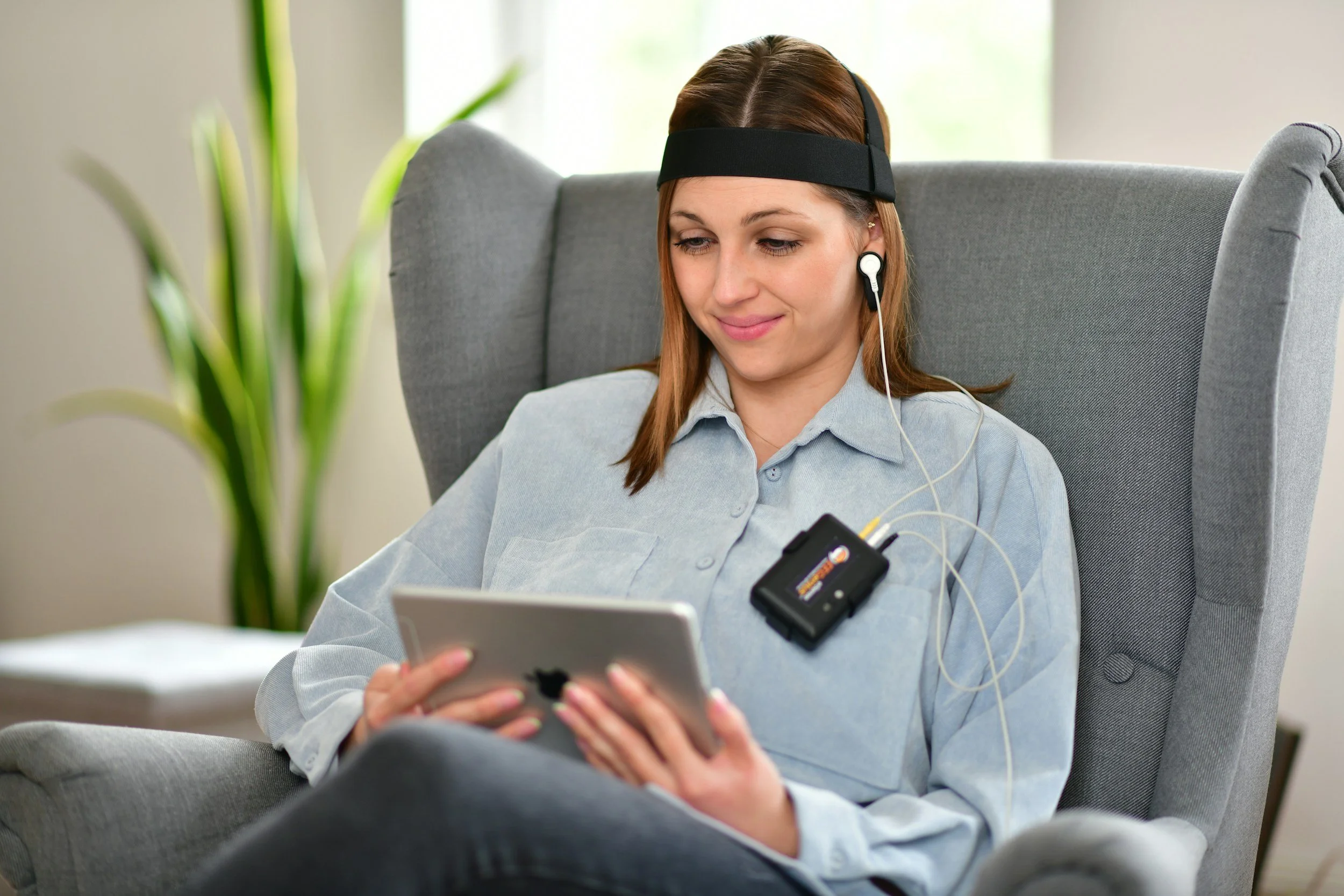
Sensors are placed on the scalp to read brainwave activity
The system delivers a very subtle signal, tailored to the individual
The brain responds by reorganizing patterns in a more efficient way
Many clients describe it as calming, settling, or even energizing over time.
How Does It Work?
LENS neurofeedback is based on the idea that the brain can get “stuck” in certain patterns, especially after stress, trauma, or chronic dysregulation.
These patterns can show up as:
Difficulty focusing
Emotional reactivity
Anxiety or overwhelm
Trouble with sleep or regulation
By introducing a very low energy signal that mirrors the brain’s own activity, LENS helps the brain:
Increase flexibility
Reduce overactivity or underactivity
Improve overall regulation
Think of it less as “fixing” the brain and more as helping it reset and reorganize.
What Can LENS Neurofeedback Help With?
LENS is used as a supportive tool for a wide range of concerns.
ADHD
Research and clinical use suggest neurofeedback can support:
Attention and focus
Impulse control
Executive functioning
Many families seek neurofeedback as a complement to therapy or other supports for ADHD.
Autism Spectrum Differences
Some individuals with autism may experience:
Improved regulation
Reduced sensory overwhelm
Increased calmness and flexibility
It is important to note that LENS does not “treat” autism itself, but can support nervous system regulation and comfort.
Anxiety and Stress
LENS can help reduce:
Chronic anxiety
Hyperarousal
Physical tension
By calming the nervous system, clients often feel more grounded and less reactive.
Trauma and Emotional Regulation
For individuals with a history of trauma, the nervous system can remain on high alert.
LENS may support:
Reduced reactivity
Increased sense of safety in the body
Greater emotional stability
Other Areas of Support
LENS has also been used to support:
Sleep difficulties
Migraines and headaches
Brain fog or cognitive fatigue
Mood regulation
As with any intervention, outcomes vary, but many clients notice subtle shifts that build over time.
What Does the Research Say?
Neurofeedback as a broader field has growing research support, particularly for ADHD.
Studies have shown improvements in:
Attention
Impulsivity
Executive functioning
Research specific to LENS is still developing, but early studies and clinical reports suggest it may be:
Safe
Well tolerated
Helpful for nervous system regulation
At Heights Family Counseling, we are committed to using LENS as part of a comprehensive, evidence informed approach, not as a standalone solution.
What Makes LENS Different?
Many clients are drawn to LENS because it is:
Gentle and noninvasive
Does not require talking or active effort
Short in session length
Appropriate for both children and adults
This makes it especially helpful for:
Younger children
Individuals who feel overwhelmed by traditional therapy
Clients who have not responded to other approaches
LENS as Part of a Holistic Approach
While LENS can be powerful, it works best when integrated into a broader plan.
At Heights Family Counseling, we often combine neurofeedback with:
Therapy for emotional processing
Parent support and coaching
Skills for regulation and coping
Comprehensive evaluations when needed
This allows us to support both the brain and the lived experience.
Who Can Benefit?
We are excited to offer LENS neurofeedback for:
Children and teens with ADHD or emotional regulation challenges
Individuals with autism looking for additional support
Adults experiencing anxiety, burnout, or chronic stress
Clients who feel stuck despite traditional therapy
A Final Thought
Sometimes, change does not come from trying harder.
It comes from supporting the brain and nervous system in a different way.
LENS neurofeedback offers a gentle path toward that shift.
We are excited to bring this service to Heights Family Counseling and to continue expanding how we support the individuals and families we serve.