My Honest Experience with LENS Neurofeedback: From Eye Rolling Skeptic to Curious Believer
A few months ago, I decided we needed to bring LENS neurofeedback to Heights Family Counseling. The idea wasn't because I had become a neurofeedback enthusiast overnight. It was because I kept hearing the same thing from families.
"This has been life changing."
As a researcher and clinician, I tend to be skeptical. So I started asking trusted therapists and colleagues in the community what they thought. To my surprise, I heard the same response over and over.
"It's been a game changer for many of our clients."
Still, I wasn't sold.
Then I started the training.
Honestly, I found myself rolling my eyes at some of the hype. There were plenty of stories and individual examples, but the researcher in me kept thinking, "There is no way this thing is legit."
I wanted data. I wanted large randomized studies. I wanted to understand exactly how and why it worked.
So I decided I wasn't going to rely on anyone else's experience. I was going to try it myself.
Starting Conservatively
Before my first session, I completed the sensitivity questionnaire and discovered that I scored as highly sensitive. Because of that, I started with Body LENS, which is considered a more conservative approach.
I wasn't expecting much.
About 30 minutes after the session, though, I noticed something.
The closest comparison I can make is that I felt similar to how I imagine people feel after taking Xanax. I am naturally a fairly anxious person, so this stood out to me. I wouldn't describe the feeling as euphoric or even particularly pleasant. It wasn't good or bad.
It was just different.
And very noticeable.
I ended up taking a nap, went to bed early, and slept for ten hours.
For anyone who knows me, this is almost unheard of.
Waking Up Feeling Different
The next morning, I woke up feeling almost like I had gotten a massage. I was relaxed and slightly "out of it," but in a good way.
Then came my favorite example.
I beat my son in chess.
That may not sound impressive, but I hadn't beaten him in almost a year. His explanation?
"Mom, you finally stopped making impulsive moves."
I laughed, but honestly, he might have been onto something.
Throughout the day, I noticed I felt happier and less anxious. When I thought about something I needed to do, I simply did it. I wasn't spending twenty minutes arguing with myself or talking myself into tasks.
Things just seemed easier.
By the second day, the changes were more subtle, but I still felt calmer and more regulated.
What Does the Science Say?
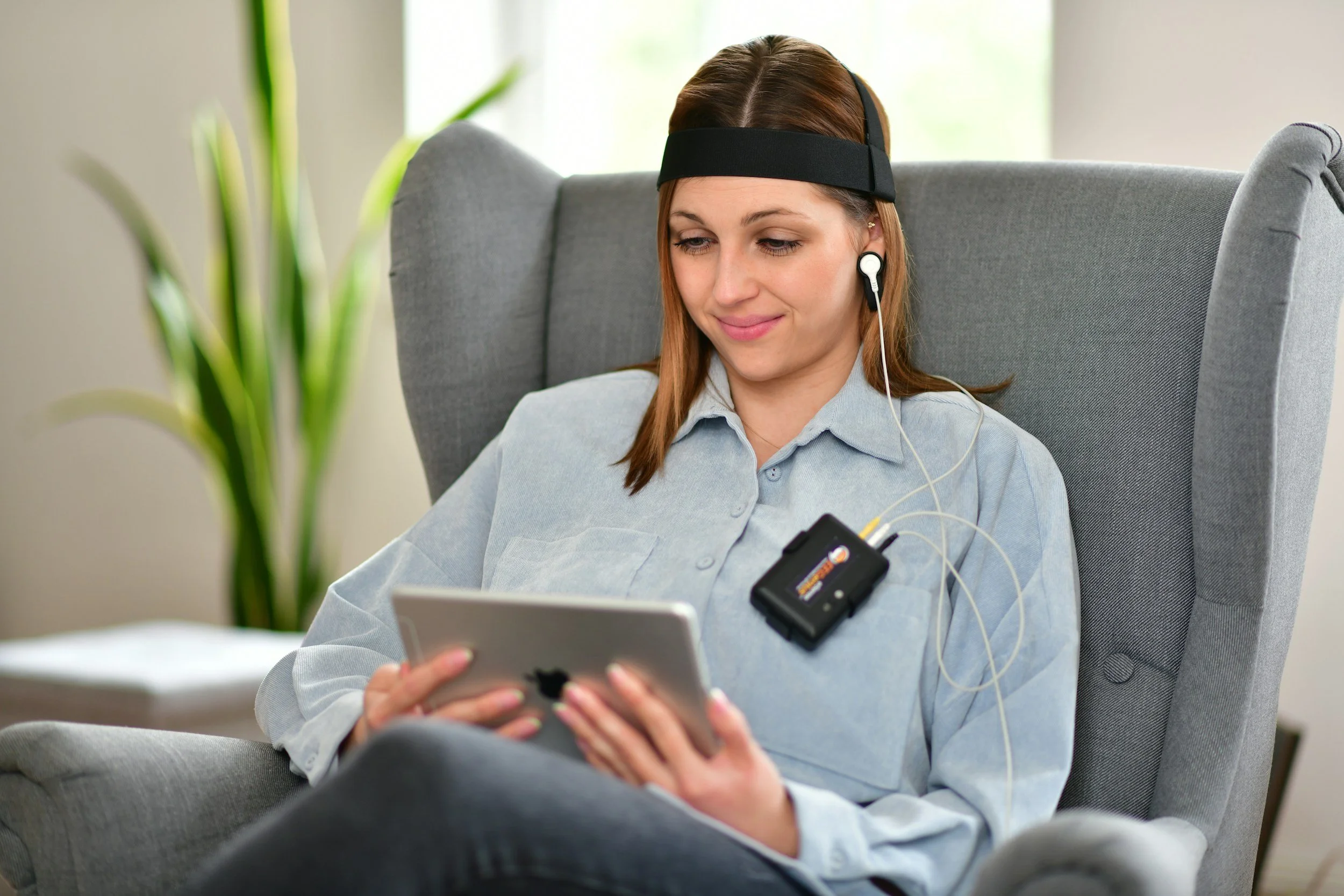
LENS, or Low Energy Neurofeedback System, uses extremely low intensity electromagnetic signals that are many times weaker than what we encounter from everyday devices. The goal is not to force the brain to do anything, but rather to provide gentle feedback that may help the brain become more flexible and efficient.
Researchers believe neurofeedback works through neuroplasticity, which is the brain's ability to adapt and reorganize itself. Neuroplasticity is a fascinating concept because it means the brain is capable of change throughout our lives.
The research base for LENS is still developing. While there are promising studies and many positive clinical reports, larger high quality studies are still needed. As someone who values science, I think it is important to acknowledge both the exciting possibilities and the limitations of the current evidence.
A Few Things to Know
Not everyone notices changes immediately, and not everyone responds the same way.
Some people report temporary effects after sessions, especially early on. These can include:
• Mild headache
• Tiredness
• Feeling a little foggy
• Temporary jitteriness or feeling overstimulated
• Changes in sleep
These effects are usually short lived and often help guide future treatment protocols. If you experience something uncomfortable, let your clinician know. Adjustments can almost always be made.
Where I Am Now
Would I call LENS a magic fix?
No. Nothing in mental health or neuroscience works that way.
But after my own experience, and after seeing the responses from family members and clients, I can honestly say I'm excited about the potential. What I appreciate most is that LENS is gentle, individualized, and works with the brain's natural ability to adapt and change.
As both a clinician and someone who personally tried it, I believe it is another valuable tool that can support healing and regulation. While research continues to evolve, the combination of emerging science, clinical experience, and my own firsthand results has made me increasingly optimistic about what LENS can offer.
And perhaps the biggest endorsement in our house came from my daughter.
After trying it herself, she's already asking when she can do it again.
Stay tuned for Part 2, where I'll share her experience. I have a feeling this may become one of those things I look back on years from now and wonder why I waited so long to try it.