Rejection Sensitivity Dysphoria (RSD): Why It Is Often Misunderstood and How to Support Your Child
Some children feel things deeply.
They react strongly to criticism, shut down quickly after small disappointments, or seem overwhelmed by the possibility that someone is upset with them. Parents often describe walking on eggshells, unsure how such small moments can lead to such big emotional responses.
What many families do not realize is that this pattern may be related to Rejection Sensitivity Dysphoria, often called RSD.
Understanding RSD can bring clarity, compassion, and a new path forward for both you and your child.
What is Rejection Sensitivity Dysphoria?
Rejection Sensitivity Dysphoria refers to intense emotional pain triggered by real or perceived rejection, criticism, or failure.
While it is not an official diagnosis in the DSM, it is widely recognized in clinical practice, especially in individuals with ADHD and other forms of neurodivergence.
For a child with RSD, experiences that may seem minor to others can feel overwhelming and deeply personal.
You might notice:
Extreme reactions to feedback or correction
Fear of disappointing others
Quick emotional shutdown or withdrawal
Anger or defensiveness when feeling criticized
Avoidance of new or challenging situations due to fear of failure
Strong people pleasing tendencies
This is not about being “too sensitive.” It is about a nervous system that experiences rejection as intensely painful and sometimes intolerable.
RSD and Neurodivergence
RSD is most commonly associated with ADHD, though it can also be present in autistic individuals and others with differences in emotional regulation.
Research suggests that individuals with ADHD often experience:
Heightened emotional reactivity
Difficulty regulating emotional responses
Increased sensitivity to social feedback
This means your child is not choosing to overreact. Their brain is processing emotional input differently, often more intensely and more quickly than others.
Many children with RSD are also:
Empathetic and deeply caring
Highly attuned to others’ emotions
Motivated to do well and be liked
Hard on themselves when they feel they have fallen short
When we understand RSD through a neurodivergent lens, we move away from labels like “dramatic” or “manipulative” and toward emotional vulnerability and nervous system sensitivity.
Why RSD Is Often Misunderstood
RSD can easily be misinterpreted, especially in structured environments like school or at home during stressful moments.
It may look like:
Defiance when corrected
Overreaction to simple requests
Avoidance or procrastination
Emotional outbursts that seem disproportionate
Because the reaction is so big, adults may assume the child is trying to control the situation or avoid responsibility.
In reality, the child is often trying to protect themselves from intense emotional pain.
The behavior is not the problem. It is the signal.
How Parenting Approaches Can Make a Difference
Supporting a child with RSD is not about avoiding all feedback or walking on eggshells. It is about how feedback is delivered and how emotional safety is built over time.
1. Lead with Connection Before Correction
Children with RSD are more receptive when they feel safe and understood.
Instead of jumping straight to correction, try:
“I can see that was really frustrating. Let’s figure it out together.”
Connection lowers defensiveness and opens the door for growth.
2. Be Thoughtful with Language and Tone
Even neutral feedback can feel like criticism to a sensitive nervous system.
Small shifts can help:
Use a calm, regulated tone
Focus on the behavior, not the child
Avoid public correction when possible
For example:
Instead of “You did this wrong,”
Try “Let’s take another look at this together.”
3. Normalize Mistakes and Imperfection
Children with RSD often hold themselves to very high standards.
Actively model and reinforce that:
Mistakes are part of learning
Effort matters more than perfection
Everyone gets things wrong sometimes
This reduces the fear associated with trying.
4. Help Them Build Emotional Awareness
When children can name what they feel, they can begin to regulate it.
You might say:
“It seems like that felt really embarrassing or disappointing. Does that sound right?”
This builds emotional insight and reduces shame.
5. Support Recovery After Emotional Reactions
After a big reaction, the goal is not punishment. It is repair.
Once your child is calm:
Reflect on what happened
Identify triggers together
Problem solve for next time
This teaches skills without reinforcing fear.
6. Encourage Safe Risk Taking
Children with RSD may avoid situations where they could fail.
Gently support:
Trying new things in low pressure ways
Celebrating effort, not outcome
Building confidence through small wins
Over time, this expands their comfort zone.
When to Seek Professional Support
If your child’s emotional reactions are interfering with school, friendships, or family life, working with a therapist who understands ADHD, emotional regulation, and neurodivergence can be incredibly helpful.
At Heights Family Counseling, we support children and families by:
Building emotional regulation skills
Supporting parents with practical, effective strategies
Identifying underlying factors like ADHD or anxiety
Providing comprehensive evaluations when needed
Support can make a meaningful difference in how your child experiences themselves and the world.
A Final Thought
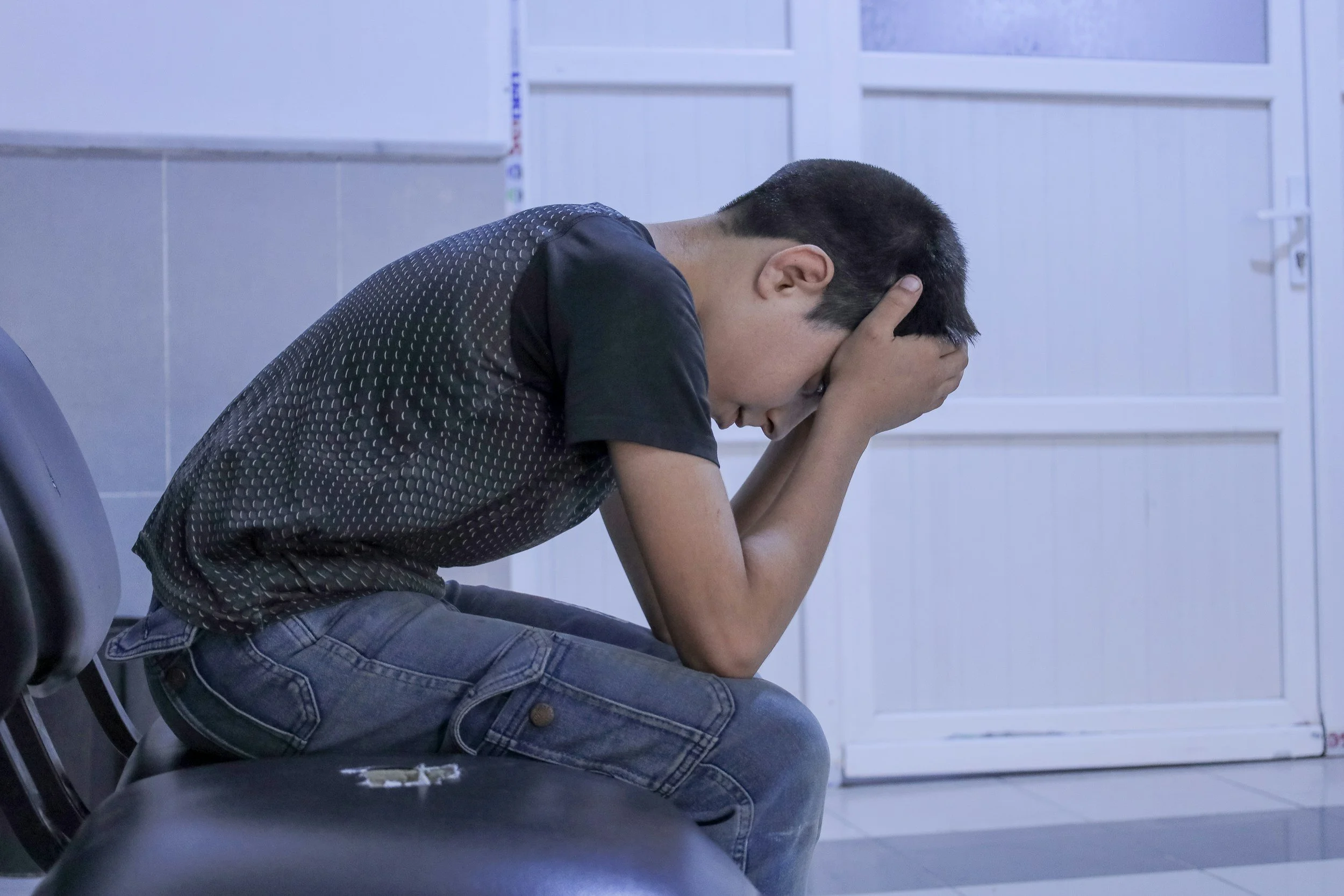
Children with Rejection Sensitivity Dysphoria are not overreacting for attention.
They are experiencing emotions in a way that is intense, immediate, and often overwhelming.
When we respond with understanding instead of frustration, we teach them something powerful.
That they are safe.
That they are capable.
That they are not too much.
And that makes all the difference.