The Power of Play Therapy: Why "Just Playing" Can Be Life Changing for Children
One of the most common questions parents ask after their child's first play therapy session is:
"So...did they just play the whole time?"
The answer is often yes.
But there is so much more happening beneath the surface.
Play is a child's natural language. Long before children have the words to explain anxiety, grief, anger, fear, or confusion, they communicate through play. As adults, we process experiences by talking. Children process experiences by doing.
That's why play therapy is such a powerful tool.
At Heights Family Counseling, our therapists use a variety of evidence based play therapy approaches, each designed to meet children where they are developmentally while helping them build emotional awareness, coping skills, confidence, and resilience.
What Is Play Therapy?
Play therapy is much more than toys in an office.
Every activity, game, and intervention has a therapeutic purpose. Through carefully chosen play experiences, children learn to identify emotions, solve problems, develop self control, strengthen relationships, and process difficult experiences in a way that feels safe and natural.
Play therapy can benefit children experiencing:
Anxiety
ADHD
Autism and other neurodivergent profiles
Behavioral challenges
Emotional regulation difficulties
Divorce or family transitions
Grief and loss
Trauma
Low self esteem
Social difficulties
School related stress
Medical challenges and chronic illness
Because every child is unique, therapists often integrate different play therapy approaches depending on the child's age, personality, developmental level, and treatment goals.
Child Centered Play Therapy (CCPT)
Child Centered Play Therapy is one of the most researched and well established forms of play therapy.
Rather than directing every activity, the therapist creates a safe, accepting environment where the child leads the play. Through carefully reflecting emotions, setting healthy limits, and building a trusting relationship, the therapist helps the child process experiences and discover solutions from within.
CCPT teaches children that their feelings matter, they are capable of solving problems, and they are worthy of unconditional acceptance.
While it may appear simple from the outside, every reflection, limit, and interaction is intentional and grounded in decades of research.
Sand Tray Therapy
Sometimes children carry experiences that are difficult or even impossible to put into words.
Sand tray therapy gives them another way to tell their story.
Using miniature figures, objects, and a tray of sand, children create scenes that represent their inner world. These scenes often reveal emotions, relationships, fears, strengths, and hopes that may never emerge through conversation alone.
Sand tray therapy can be especially helpful for children processing trauma, grief, anxiety, family changes, or complex emotions.
The goal is not for the therapist to "interpret" every figure. Instead, the therapist helps the child explore the meaning their creations hold for them.
Cognitive Behavioral Play Therapy (CBPT)
As children get older, therapists may begin incorporating more structured skill building into sessions.
Cognitive Behavioral Play Therapy combines the principles of Cognitive Behavioral Therapy (CBT) with developmentally appropriate play activities.
Through games, art, role playing, storytelling, and other playful interventions, children learn to:
Recognize thoughts and feelings
Develop healthy coping skills
Manage anxiety
Improve emotional regulation
Build confidence
Practice problem solving
Instead of simply talking about coping skills, children get to experience and practice them through play.
Why We Use Board Games in Therapy
Parents are sometimes surprised to see board games on a therapist's shelf.
Those games are far more than entertainment.
A simple game can provide opportunities to observe and practice:
Taking turns
Managing frustration
Flexible thinking
Handling disappointment
Following directions
Problem solving
Emotional regulation
Social communication
Impulse control
For children with ADHD, anxiety, autism, or perfectionistic tendencies, a board game often becomes a safe way to practice skills that transfer into everyday life.
Sometimes a child who struggles to talk while sitting across from an adult will naturally begin sharing thoughts and feelings while focused on a game.
That's one of the beautiful things about play. It creates connection without pressure.
Does Play Therapy Really Work?
Research suggests that play therapy can help improve emotional regulation, reduce anxiety, strengthen social skills, increase self confidence, and improve parent child relationships. It has also been shown to support children who have experienced trauma, behavioral challenges, grief, and major life transitions.
Like all therapy, progress looks different for every child. Some children show changes quickly, while others need more time. Healing is rarely a straight line, but the relationship built through play often becomes the foundation for lasting growth.
More Than Playing
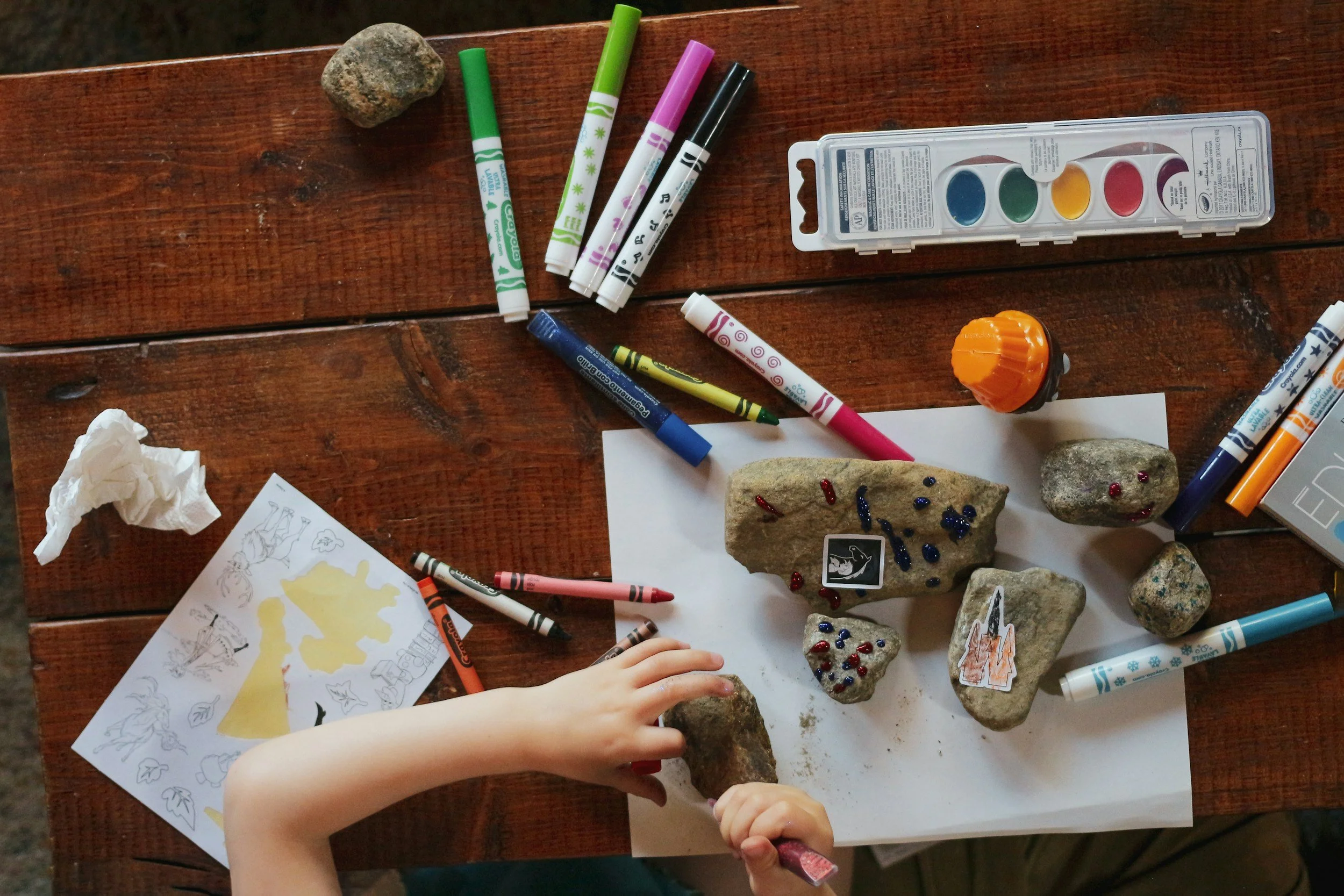
When children leave a play therapy session smiling, covered in kinetic sand, excited about a board game, or proudly showing off something they created, it can be easy to wonder what they actually accomplished.
The answer is often far more than meets the eye.
They practiced trusting another adult.
They learned to name an emotion.
They tolerated frustration without giving up.
They solved a problem.
They expressed something they couldn't yet say with words.
They experienced being fully accepted exactly as they are.
To a child, it may have felt like play.
To a therapist, it was meaningful emotional work.
At Heights Family Counseling, we believe children do some of their most important healing through play. Our play therapists are trained to meet children where they are, helping them build the confidence, resilience, and emotional skills they need to thrive both now and in the future.